
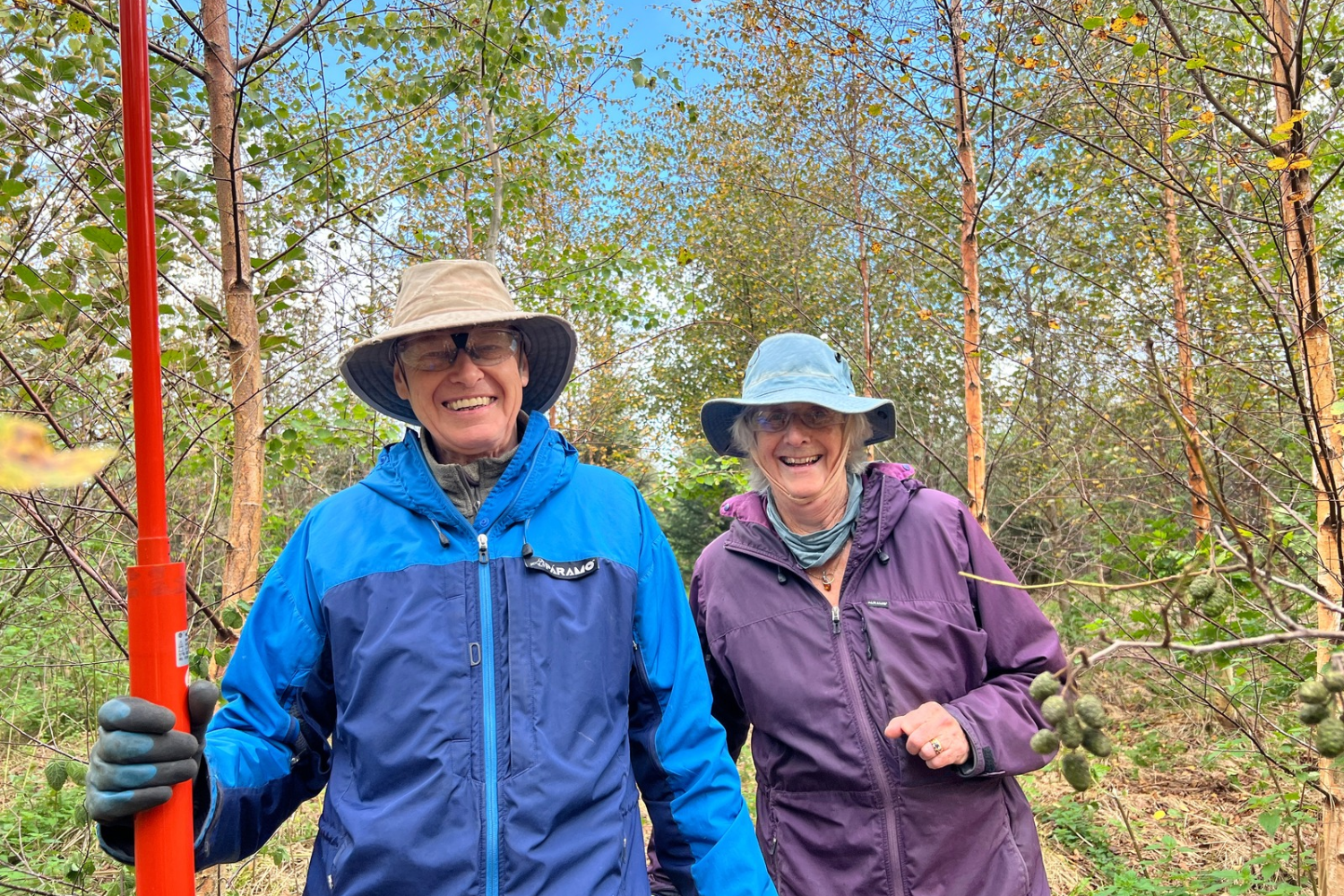
Over six days in October, more than 80 people gave over 600 hours to woodland research at Glandwr Forest. Together, they measured 4,100 trees across two studies, collected soil cores and recorded where trees were growing naturally. Thank you to everyone who joined us!
This annual event gives citizen scientists an opportunity to contribute directly to the Glandwr Forest Carbon Study, a long-term research project examining the impact of both soil microbiome transplant and enhanced rock weathering on tree growth and forest carbon. The first results were published in Communications Sustainability in June 2026 and show that these techniques boost tree growth in young native woodlands, increasing aboveground carbon sequestration by +13% and +27%, respectively. [1] You can read the most recent article about the project in TREES magazine from the Institute of Chartered Foresters. [2]
The largest study of its kind, it involves 72 test cells and over 25,000 trees. Research of this scale is made possible by a unique collaboration between the charity (The Carbon Community), full-time researchers, and citizen science volunteers.
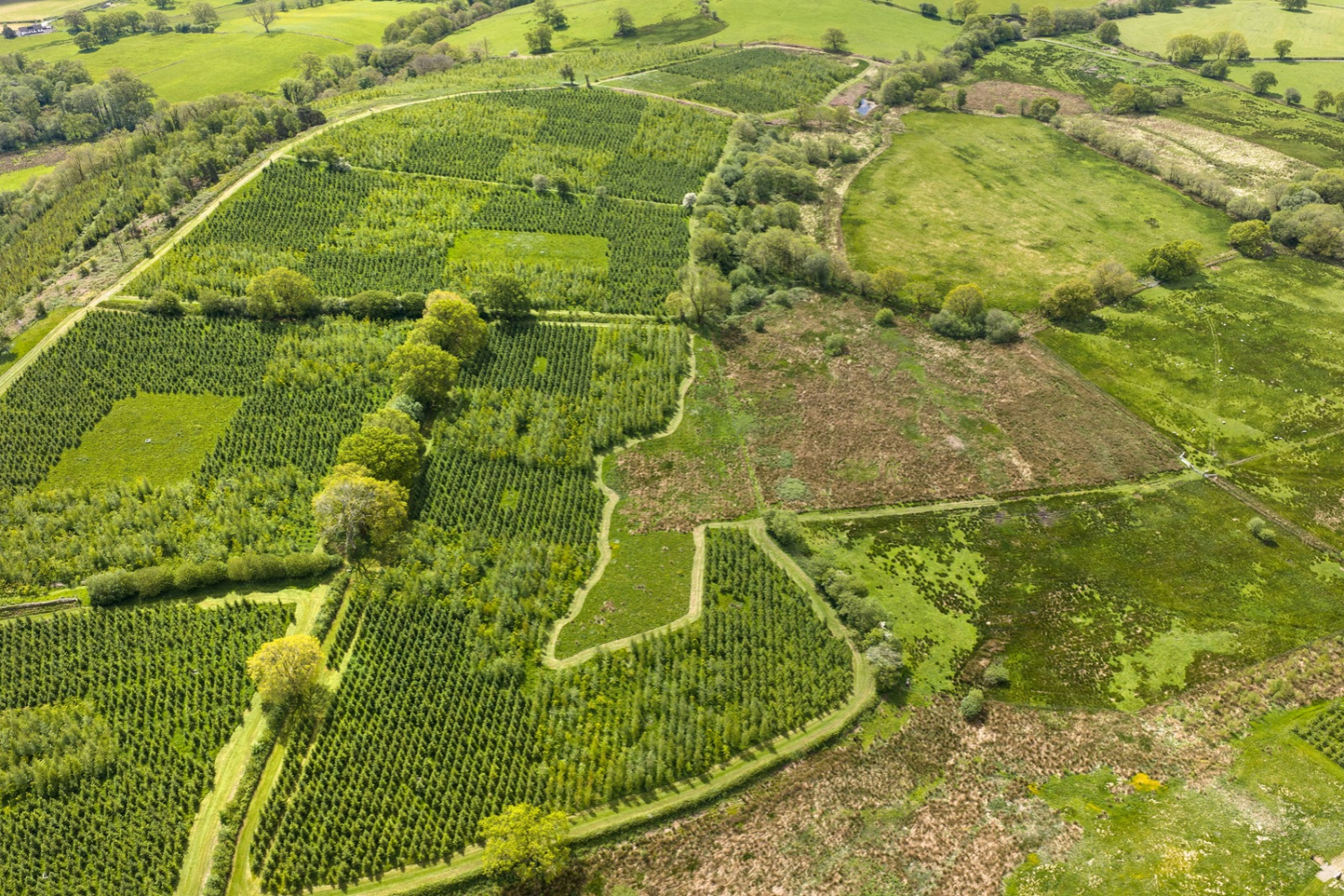
Secondary school students, college and university students, foresters, quarry managers, aggregates specialists, software specialists, policy developers, educators, environmentalists, scientists, retired scientists, writers and more joined the tree measure this year. What do they all have in common? A passion for nature and climate and a willingness to learn new techniques and make an impact.
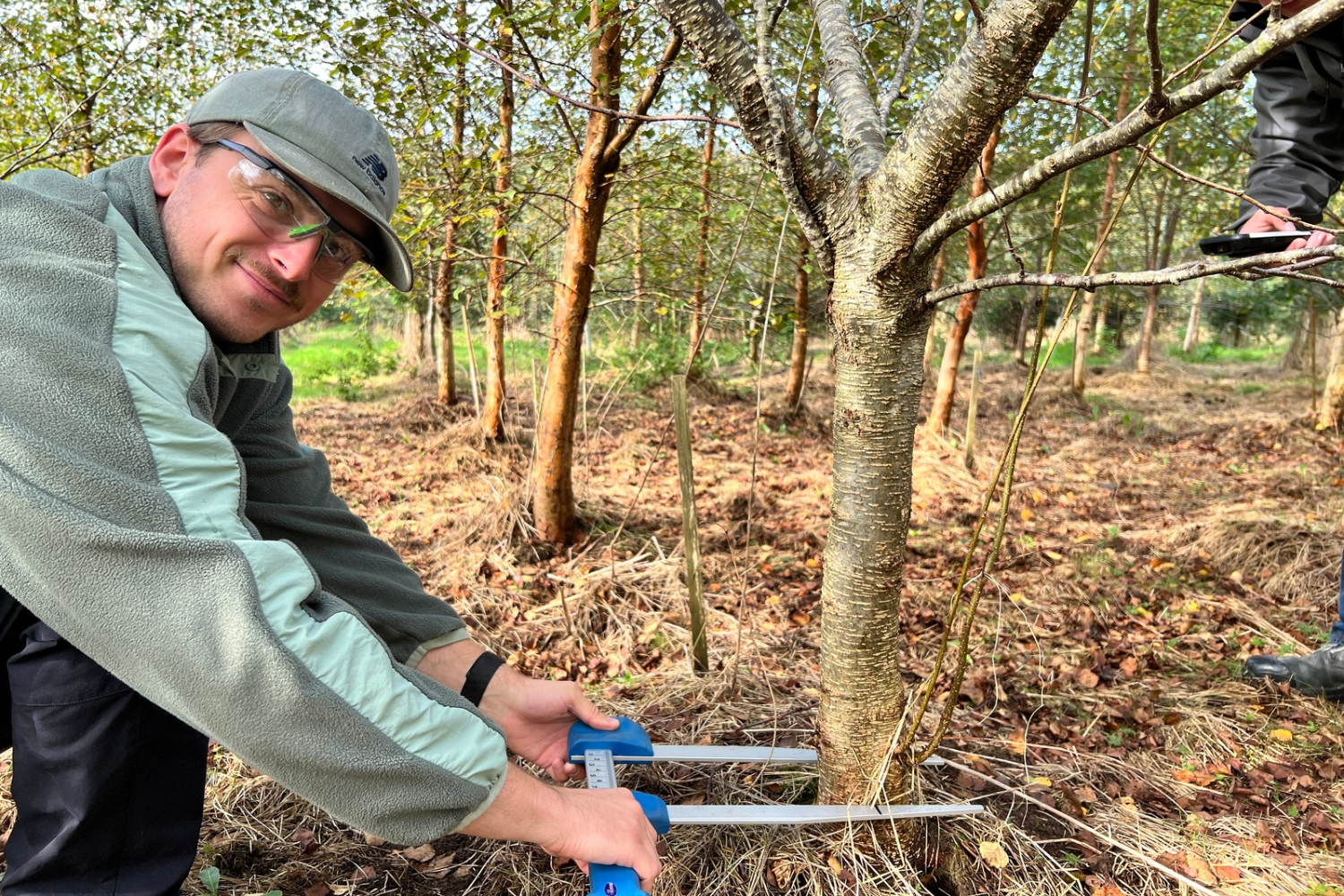
Together, citizen scientists measured 3,200 broadleaf trees in the Glandwr Forest Carbon Study; measured 900 trees in our dose-response study, collected soil cores, and completed a census of natural tree regeneration.
Supporting all this work are our amazing volunteer supervisors and some fabulous local food.
“Another perfect day at Glandwr Forest! The goal was achieved, and along the way we enjoyed great company, food and weather. As always, the views were breathtaking.” Citizen Science Volunteer
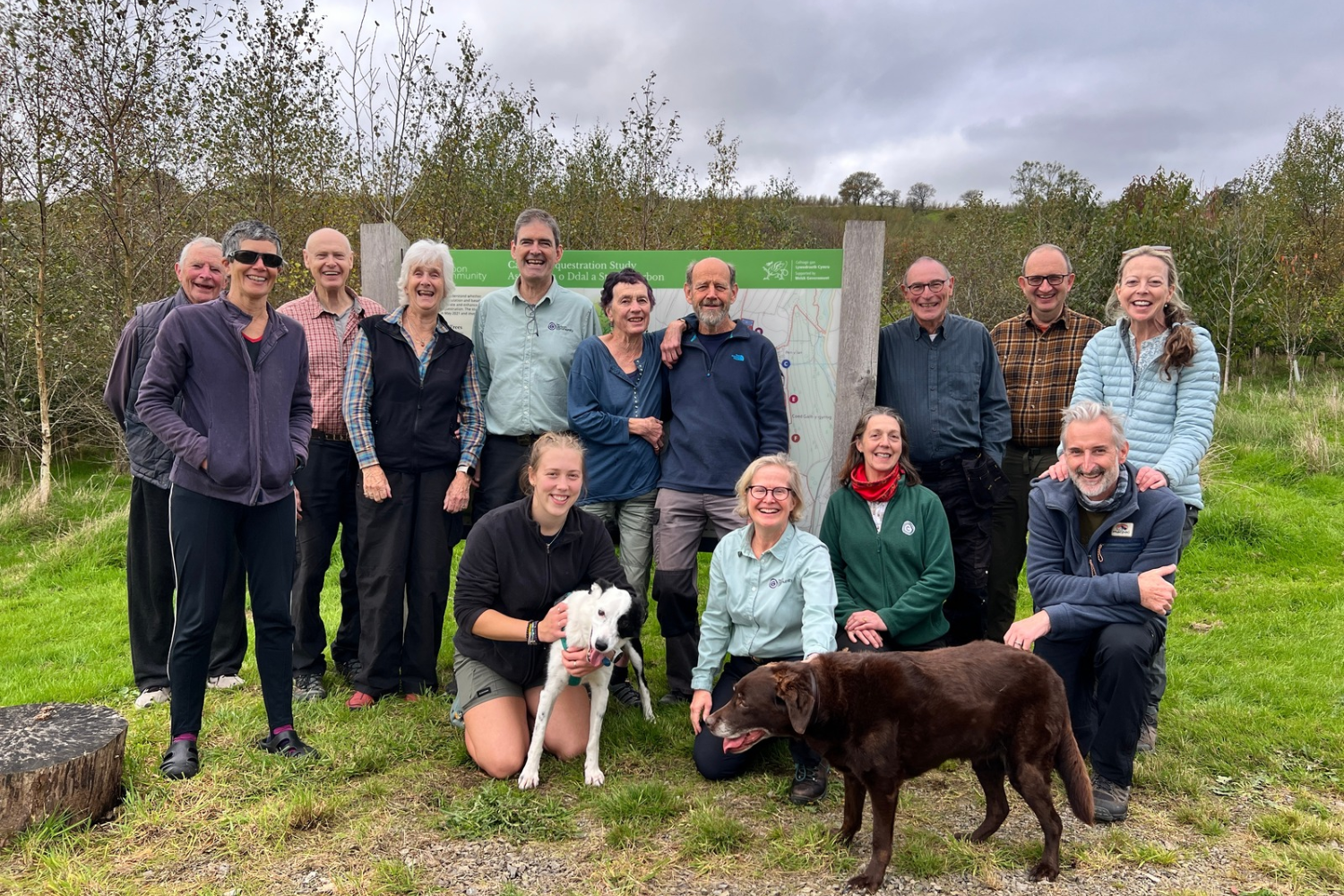
2026 was our sixth year of measuring the trees, and as the trees continue to grow, the technology and measurement protocol continue to evolve. A new app with much stronger logic and data controls checked the measurements as we entered them, while our trusty blackboard helped track our progress. With the trees reaching for the sky, we introduced new 10-metre measuring poles which were very handy as the tallest tree was 7.8 metres!
It was a tremendous week, and from everyone at the Carbon Community, a big thank you to everyone who joined us. We are grateful to everyone who chooses to spend a day with us, and to organisations that provide volunteering days for their employees. Shout out to the Black Mountains College, Heidelberg Materials, Natural Resources Wales, Office of the Future Generations Commissioner for Wales, SAP UK, the Geography Department at Swansea University, Wildlife Trusts Wales, and everyone who joined us for the weekend.
The Big Tree Measure will return from the 18th to 26th April 2027. Yes April!
To hear when bookings open, sign up for our newsletter or follow the Carbon Community on Eventbrite.
[1] Research Paper: Waring, B.G., Averill, C., Bidartondo, M. et al. Microbiome manipulation and enhanced weathering influence tree growth in reforestation. Commun. Sustain. 1, 102 (2026).https://doi.org/10.1038/s44458-026-00103-0
[2] Article in TREES magazine from the Institute of Chartered Foresters: “Crushed Rocks and Microbes boost growth and carbon storage in young plantings”